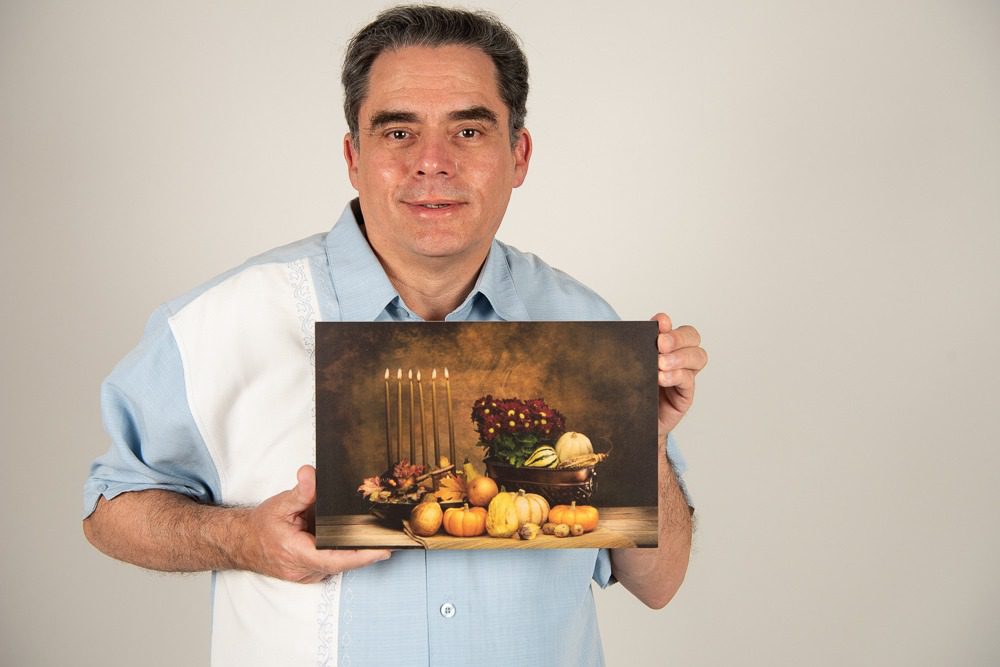
My work begins with a subject and the story it suggests. In my still-life photography, I am drawn to ordinary objects—scientific instruments, natural elements, and obsolete technologies—not for their novelty, but for the narratives they quietly carry. A single object becomes the starting point for constructing a scene that reflects ideas of time, transition, memory, and presence.
Before photographing, I create a drawing to establish the structure of the composition and to begin shaping the visual narrative. I then assemble a physical stage in the studio, often making many adjustments before settling on a final arrangement. This deliberate process allows the image to evolve through careful observation and refinement rather than impulse.
Light is central to how these stories are told. Using light painting techniques, I build each image gradually, sculpting illumination to control emphasis, depth, and atmosphere. Light determines how the viewer enters the scene and where attention rests. Texture, tonal transitions, and restraint play a critical role in maintaining clarity and focus.
My architectural nightscapes follow a similar philosophy. Each begins with a photograph taken during early sunrise or sunset, when there is just enough ambient light to capture the sky and surrounding environment. From this foundation, I create the nightscape through post-processing, shaping light and shadow to realize my vision of the architecture in a nighttime setting. I am drawn to this process because it mirrors my still-life work—allowing precise control over highlights and shadows and the ability to guide the viewer’s experience of the space.
While my work contains narrative, it is grounded in conscious reflection rather than abstraction or fantasy. Through both still life and nightscape photography, I seek to reveal beauty in the ordinary and invite viewers to pause, look closely, and engage with moments that might otherwise go unnoticed.