Artist Statement
My fine art still life photography begins with a subject and the story it suggests. I am drawn to ordinary objects—scientific instruments, natural elements, obsolete technologies, and handmade artifacts—not for their novelty, but for the narratives they quietly carry. A single object often becomes the foundation for constructing a scene that reflects ideas of time, transition, memory, and presence.
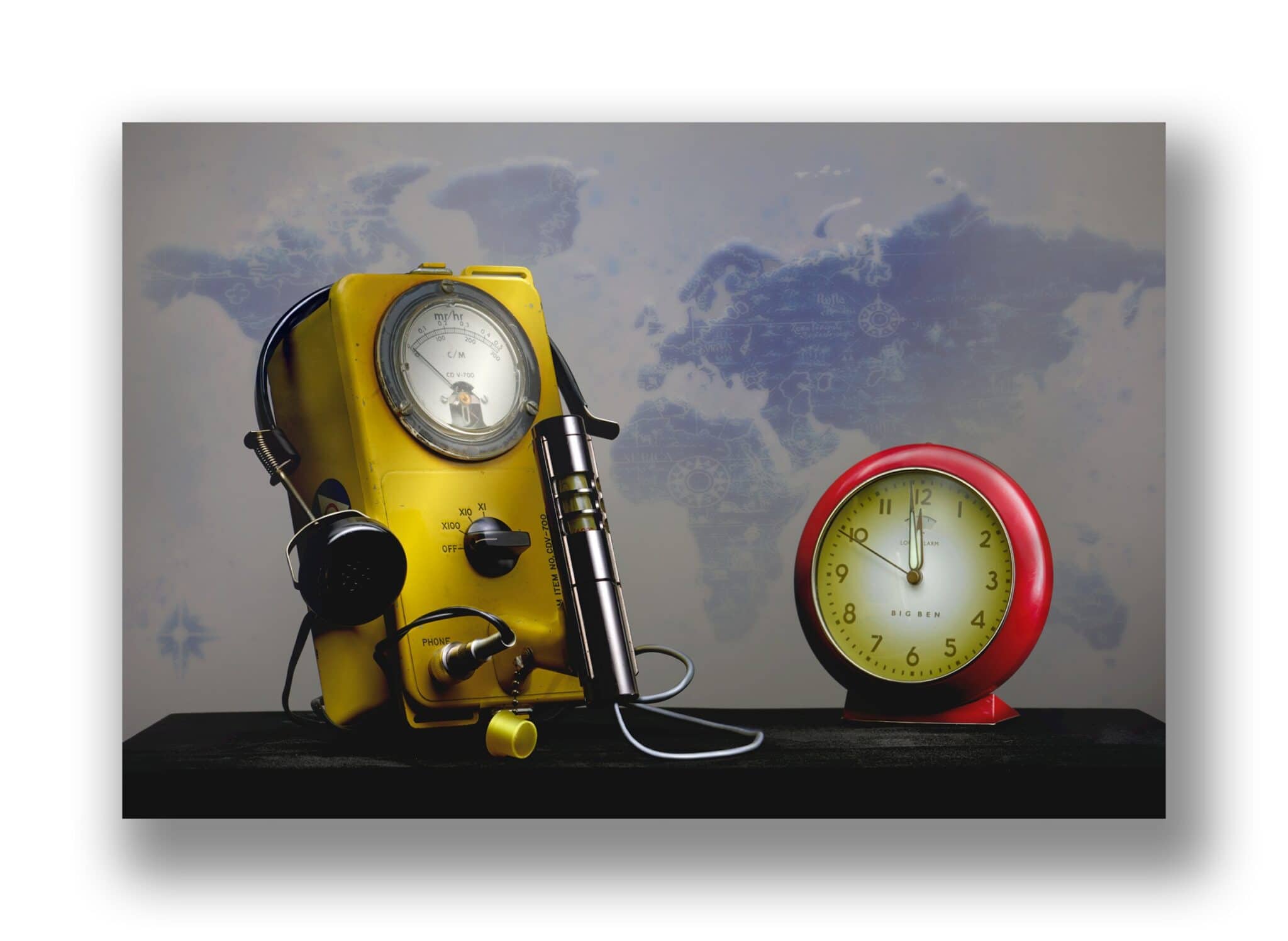
Photography allows me to slow down and study the emotional weight objects can hold. A worn radio, a vintage camera, a porcelain coffee pot, or a Geiger counter can suggest entire histories without directly explaining them. I am interested in the tension between the implied and the visible. Rather than documenting objects as they exist, I use them as symbolic elements within carefully constructed visual narratives.
The Beginning of a Photograph
Before I make a photograph, I begin with a drawing. Sketching allows me to establish the composition’s structure and develop the image’s emotional direction. These early studies are often simple, but they help determine how objects relate to one another within the frame and how the viewer’s eye will move through the scene.
Once the concept is established, I begin building the physical set in the studio. This process can take hours or days, depending on the complexity of the arrangement. I move objects repeatedly, adjust backgrounds, and reconsider lighting strategies many times before I the final exposure.
I approach the studio much like a stage. Every object has a purpose, every shadow has weight, and every highlight contributes to the image’s visual rhythm.
Constructing the Scene
The physical construction of the scene is one of the most important parts of my creative process. I often work with vintage scientific instruments, weathered books, flowers, fruit, clocks, cameras, and obsolete electronics because they carry traces of human experience. These objects are familiar, yet slightly removed from everyday life, allowing them to function as metaphors without becoming overly literal.
My fine art still life photography draws as much inspiration from cinema, painting, and literature as from photography itself. Artists and photographers who create atmosphere through restraint and suggestion rather than spectacle inspire me. I can often create mood through subtle relationships between objects, tonal balance, and carefully controlled illumination.
The goal is not simply to create a visually pleasing arrangement, but to construct an image that encourages contemplation and emotional engagement.
Using Light as Narrative
I rely on light to define mood, depth, and narrative. Using light-painting photography techniques, I gradually build each image by sculpting light across the scene. Instead of relying on a single exposure with conventional lighting, I selectively illuminate different areas over time, allowing complete control over emphasis, depth, texture, and atmosphere.
This process allows me to guide the viewer through the composition with precision. Light becomes a narrative tool rather than simply a method of visibility. It determines where attention rests, how space is perceived, and how emotion is conveyed.
Texture and tonal transition are particularly important in my work. I am interested in subtle gradations of light that allow objects to emerge slowly from darkness. Restraint is essential. Too much illumination can flatten the emotional quality of an image, while carefully controlled shadows can create mystery and psychological depth.
My approach to light painting photography has been shaped, in part, by workshops and mentorship focused on controlled illumination techniques and narrative composition.
Architectural Nightscapes at Blue Hour
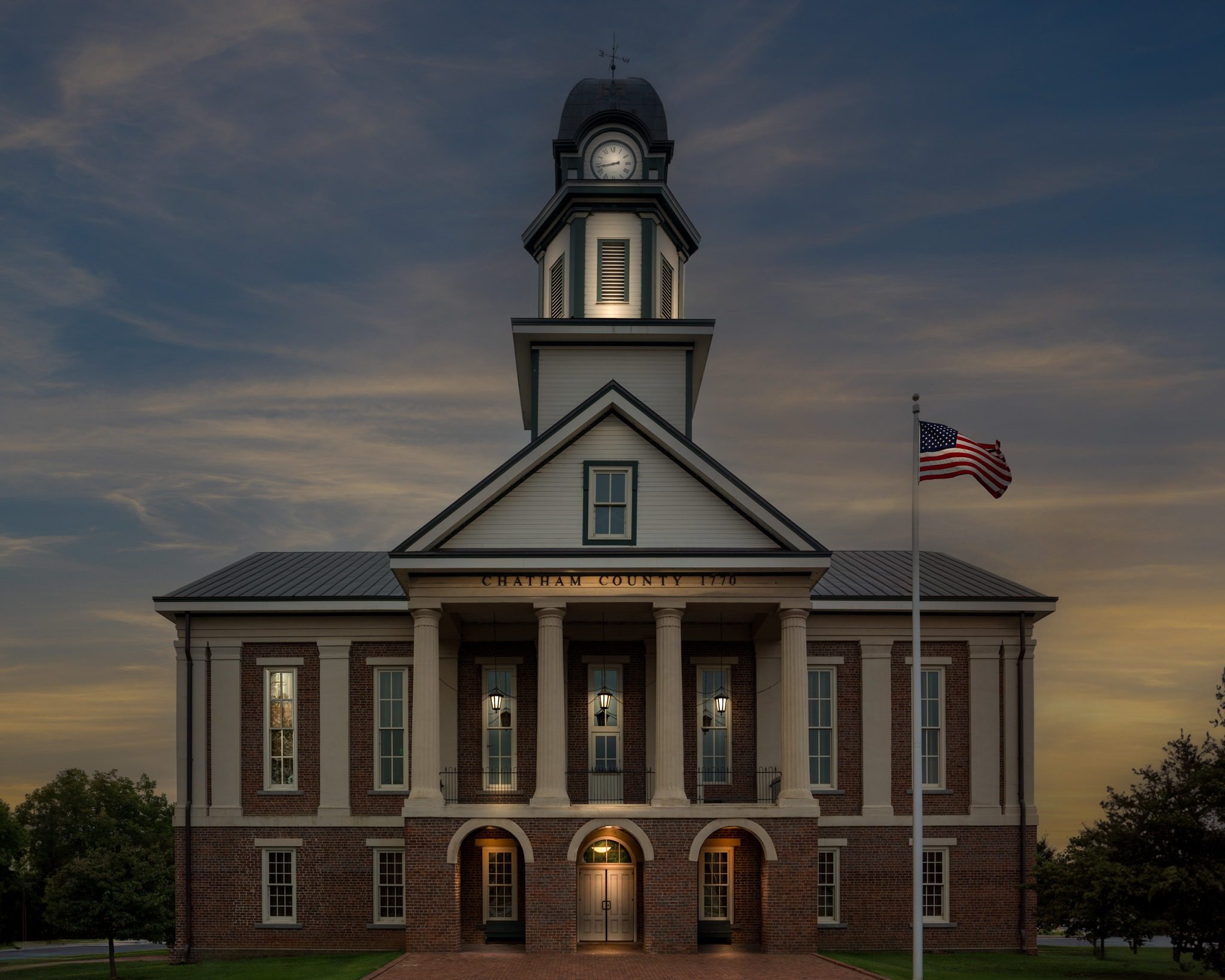
Although my still-life work is studio-based, my architectural nightscapes follow a similar philosophy. These images begin outdoors at early sunrise or sunset, when there is enough ambient light to preserve detail in the sky and surrounding environment while allowing artificial lighting to appear natural.
From this foundation, I shape the final image through post-processing techniques that enhance atmosphere, structure, and mood. My goal is not documentary realism, but interpretation. I want the architecture to feel cinematic, contemplative, and emotionally present.
Architectural subjects that reveal a relationship between light and structure—historic buildings, theaters, industrial spaces, bridges, and urban environments where illumination defines the character of the scene—draw me.
The process mirrors my still-life photography in many ways. Both rely on careful observation, controlled highlights and shadows, and the deliberate guidance of the viewer’s experience within the frame.
Objects, Memory, and Meaning
Many of the objects that appear in my photographs relate to memory and the passage of time. Vintage electronics, clocks, radios, and scientific instruments often symbolize human attempts to measure, understand, or preserve experience. Flowers and fruit introduce themes of fragility and impermanence.
I am interested in how ordinary objects can become emotionally charged when placed in a particular context. A viewer may connect an image to personal memories, historical associations, or emotional states that differ entirely from my own original intention. That openness is important to me.
While narrative exists within my work, I try to leave room for interpretation. I prefer suggestions over explanations. The photographs intend to invite contemplation rather than provide answers.
The Role of Observation
Photography has taught me the importance of slowing down and observing. Much of modern visual culture moves quickly, but fine art still-life photography rewards patience and close observation. Small adjustments in light, composition, and texture can dramatically alter the emotional character of an image.
This deliberate pace is one reason the medium continues to draw me. The camera becomes not only a recording device, but a tool for reflection and discovery.
My work is grounded in observation rather than fantasy. Even when the atmosphere feels cinematic or surreal, I build the photographs from real objects, physical light, and carefully constructed spaces.
Fine Art Prints and Collecting
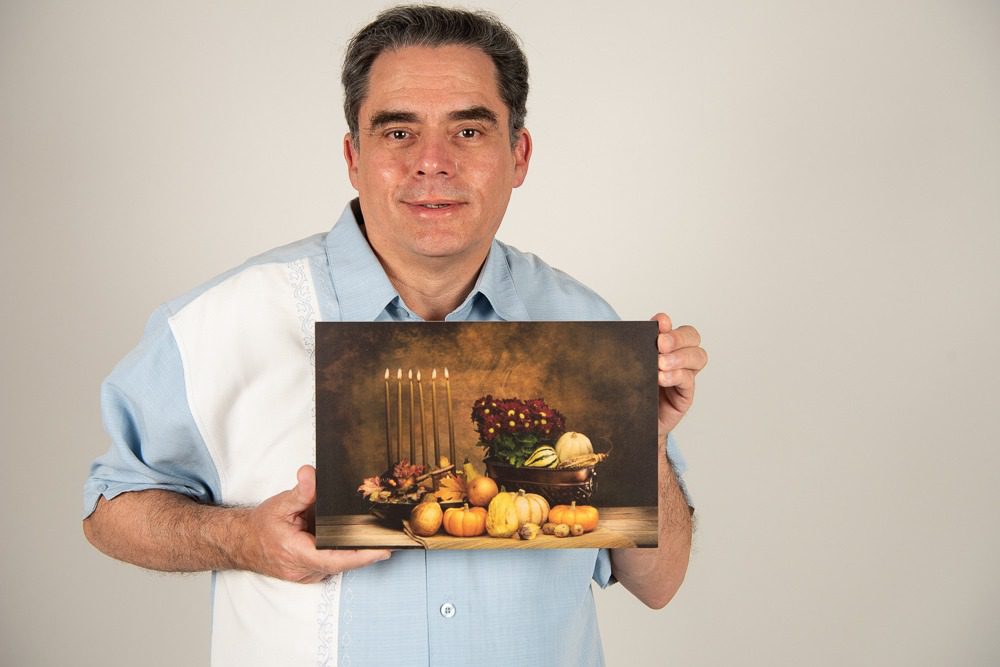
Selected works are available as museum-quality fine art prints produced using archival pigment printing processes designed for exceptional detail, tonal depth, and longevity. I carefully prepare prints to preserve the subtle lighting and texture that define the original photographs.
Collectors interested in fine art still life photography, light painting photography, and architectural nightscapes can explore available work through the galleries linked below.