
Stories Behind the Still Life
From Engineering to Fine Art: The Creative Process
Handcrafted Limited Edition Prints
Still Life Light Painting Stories
My still life light painting work falls into three modes, each asking something different of me. Quiet Poetics strips familiar objects — florals, fruit, simple forms — down to their essentials and asks the light to do everything. Objects & Memory turns to vintage tools and instruments that carry personal and cultural history, rendering the patina of use and the weight of a particular era. Narrative builds full scenes around specific historical moments, assembled the way a set designer builds a film location. Three different starting points, but the same foundation every time: time to think, time to look, and full control over what ends up in front of the lens.
Quiet Poetic
Quiet Poetics is the oldest tradition in still life — and the one I return to most often. Florals. Fruit. Simple objects. A forsythia branch in a bud vase. Pears in a blue bowl. An egg on a pedestal. The subject matter is modest, almost ordinary. That is the point. What I am after in these images is not drama or narrative but clarity — the sense that a familiar object has been seen, really seen, maybe for the first time. Stripped to its essentials and lit with care, a piece of fruit can hold as much visual weight as anything in a museum. Caravaggio knew this. Vermeer knew this. I am just trying to remember it.
Wildflowers on Rustic Wood
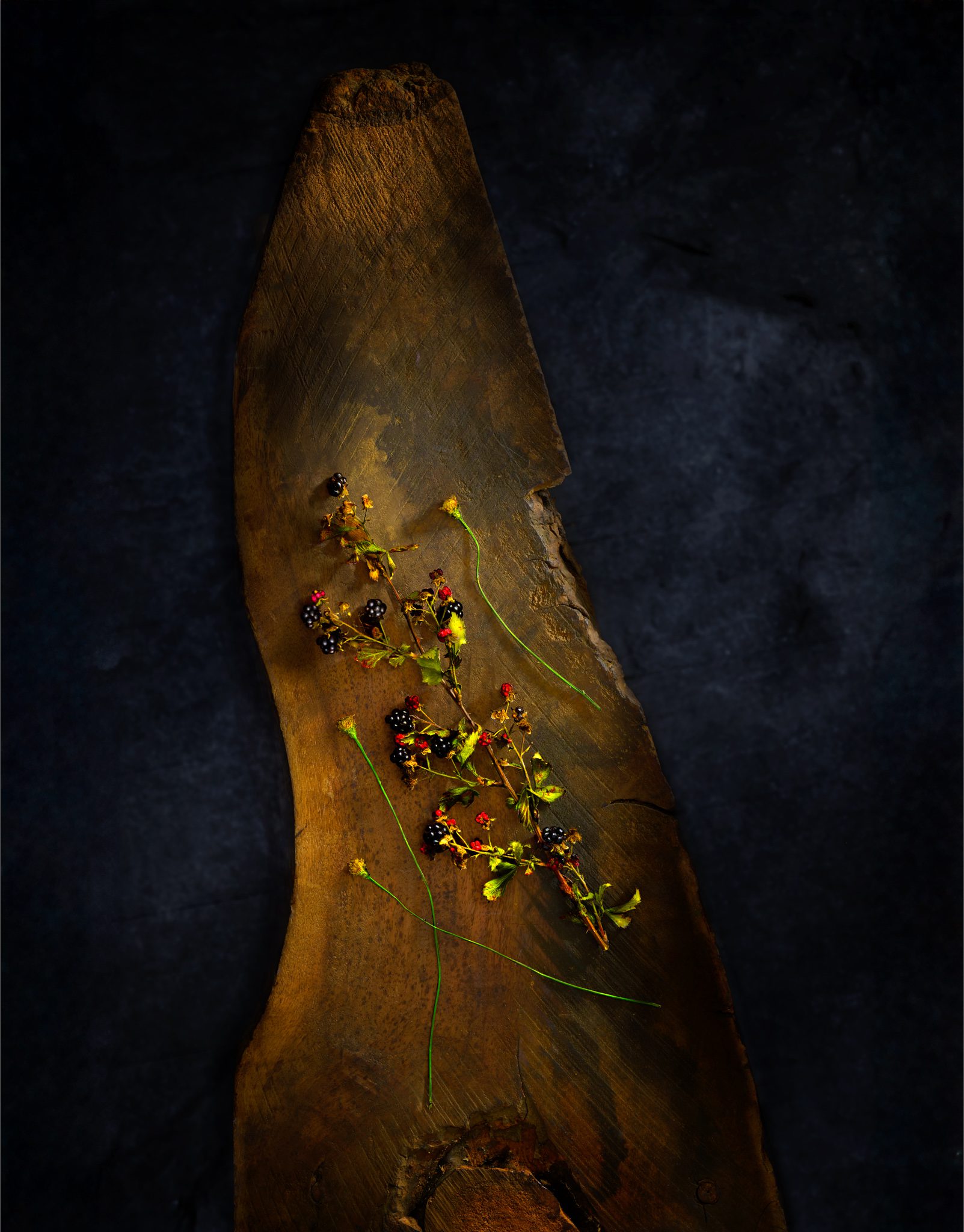
This composition began when a friend loaned me a piece of finely turned wood. For months, I couldn’t find the right subject—until one afternoon, walking with my wife, I saw a wildflower bush bursting with yellow blooms and colorful berries. Suddenly, the idea came together. The rustic wood and vibrant wildflowers created a natural harmony of color and texture.
Read the full story → Wildflowers on Rustic Wood
Forsythia in Bud Vase
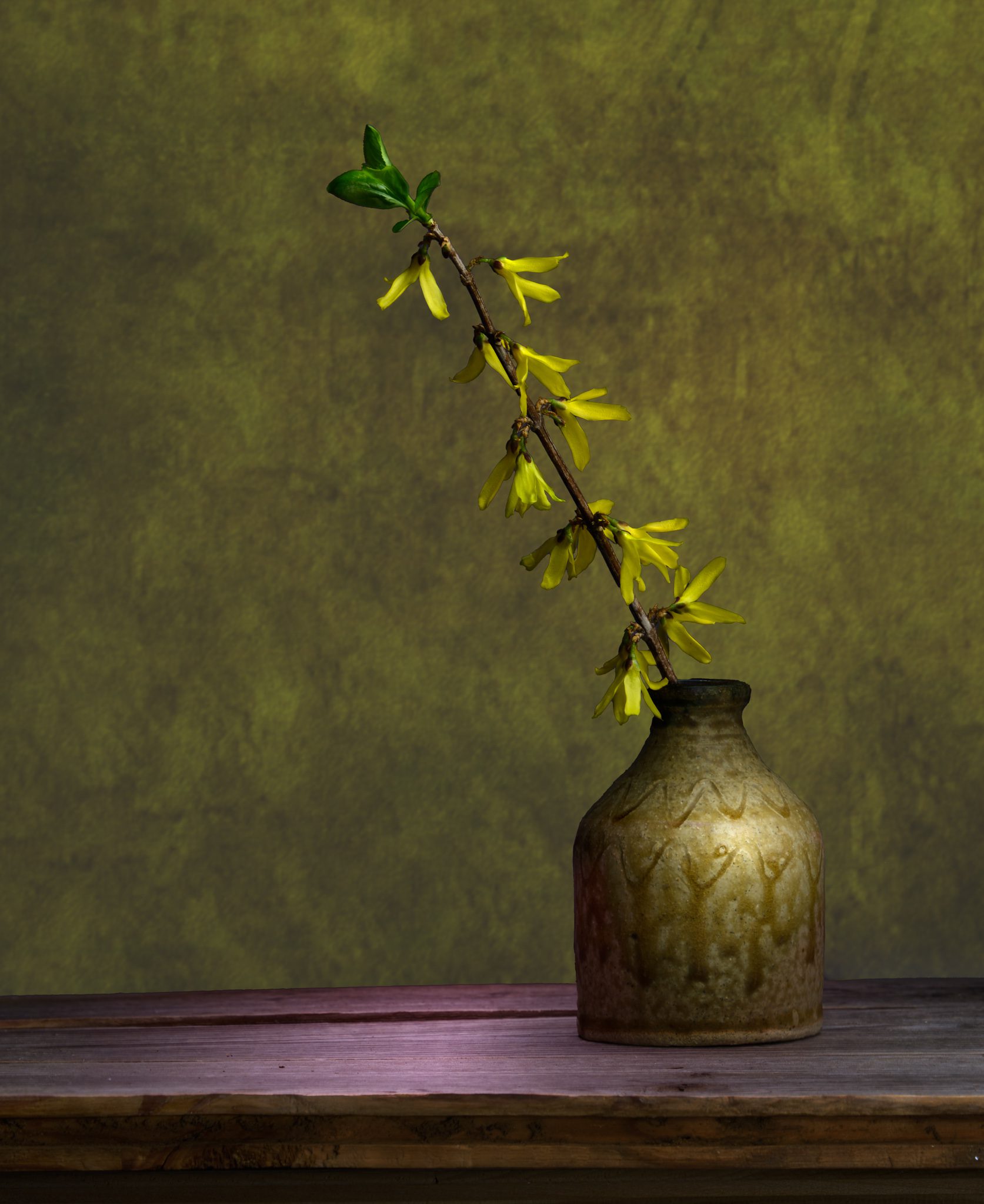
A delicate branch of forsythia, placed in a Seagrove pottery vase, rests atop reclaimed barn wood. The scene captures the serenity of spring and the quiet dignity of handcrafted materials.
Read the full story → Forsythia in Bud Vase
Gifts of Italy: Tomatoes, Olive Oil, and Garlic
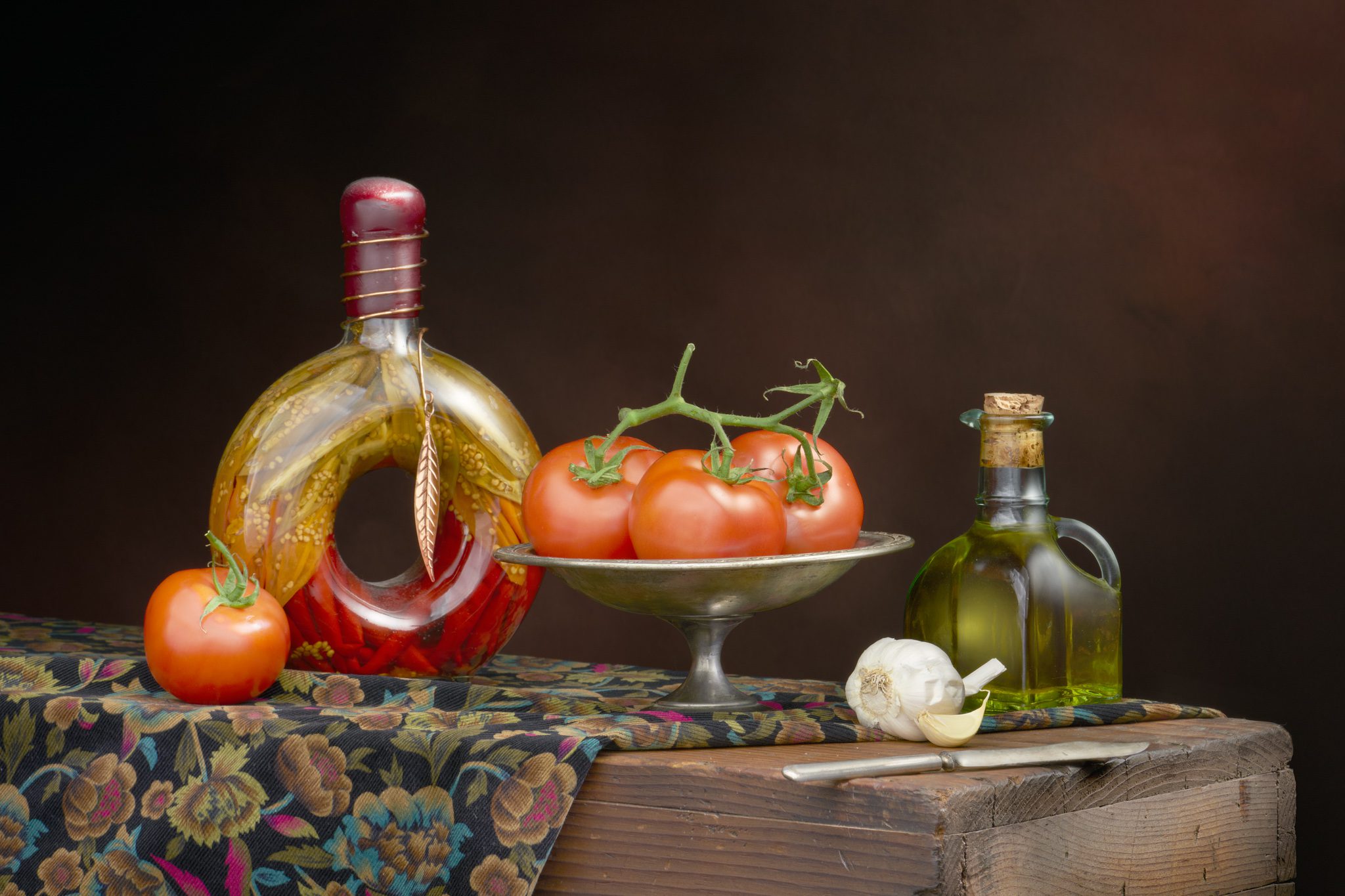
My very first still life light painting. Tomatoes, olive oil, and garlic are staples of Italian culture, and arranging them became a quiet tribute to my wife Paula’s Italian heritage, the piece that taught me still life, for me, is a form of quiet storytelling.
Read the full story → Gifts of Italy: Tomatoes, Olive Oil, and Garlic
Objects & Memory
Objects & Memory is the most personal of my three still life modes. I spent years as an electrical engineer before I became a photographer, and I have a deep, almost physical relationship with the tools and machines of that era — the weight of a Simpson multimeter, the smell of a soldering iron, the particular green glow of a CRT monitor warming up. When I photograph these objects, I am not just making a picture of a tool. I am trying to preserve something — a feeling, a memory, a way of working that is largely gone. This work sits at the intersection of portraiture and archaeology. I want you to look at a vintage instrument and feel the presence of the hands that once used it.
Polaroid Land Camera Leopard
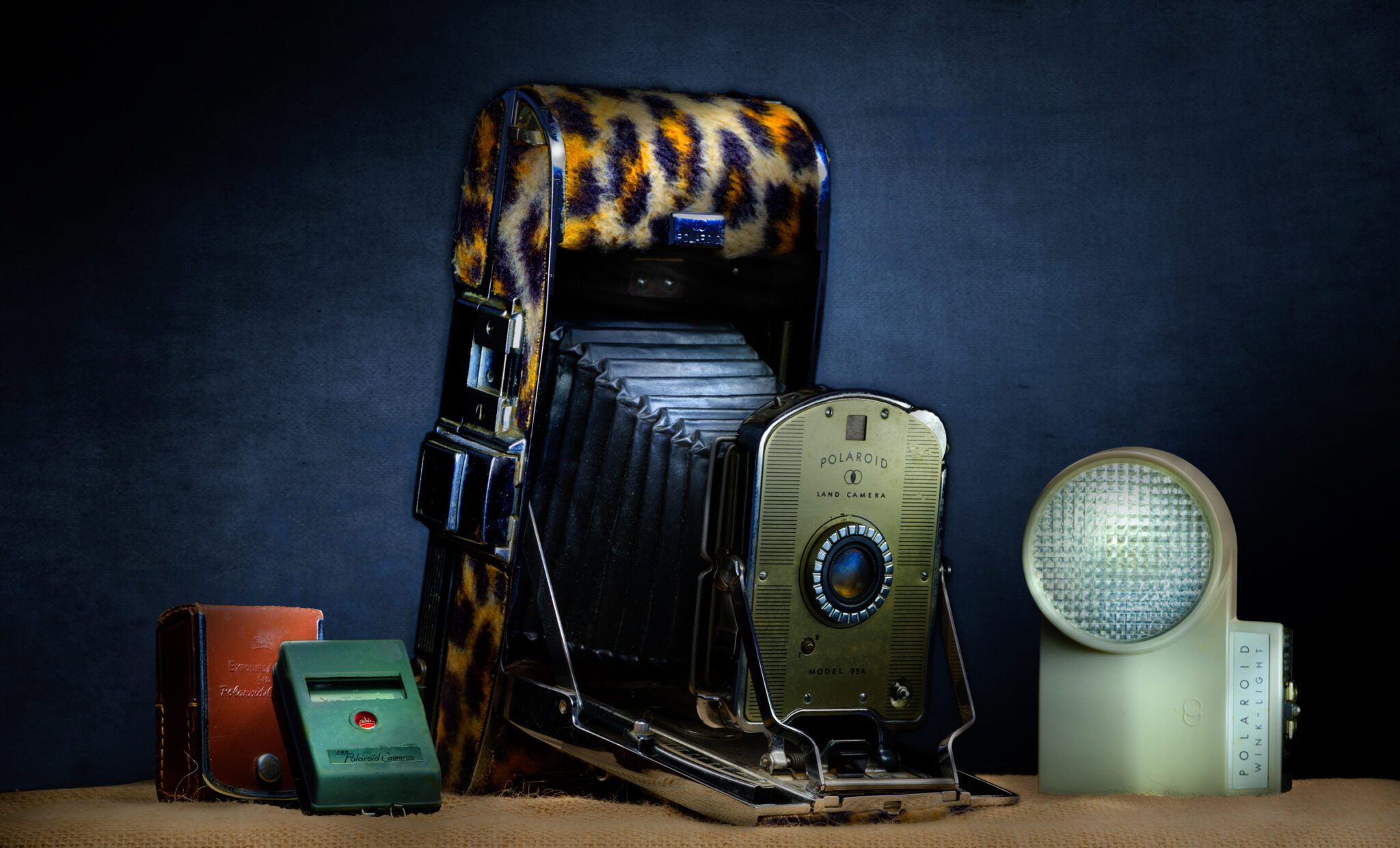
Before digital photography became the norm, the Polaroid Land Camera was a portal to something extraordinary. You pressed the shutter, waited, and watched an image slowly appear in your hands. There was mystery in those seconds. There was anticipation. Every shot mattered. Every frame had weight. The camera itself became part of the experience, not just a tool.
Read the full story →Polaroid Land Camera Leopard
Boundless Foundations: The J-Joist
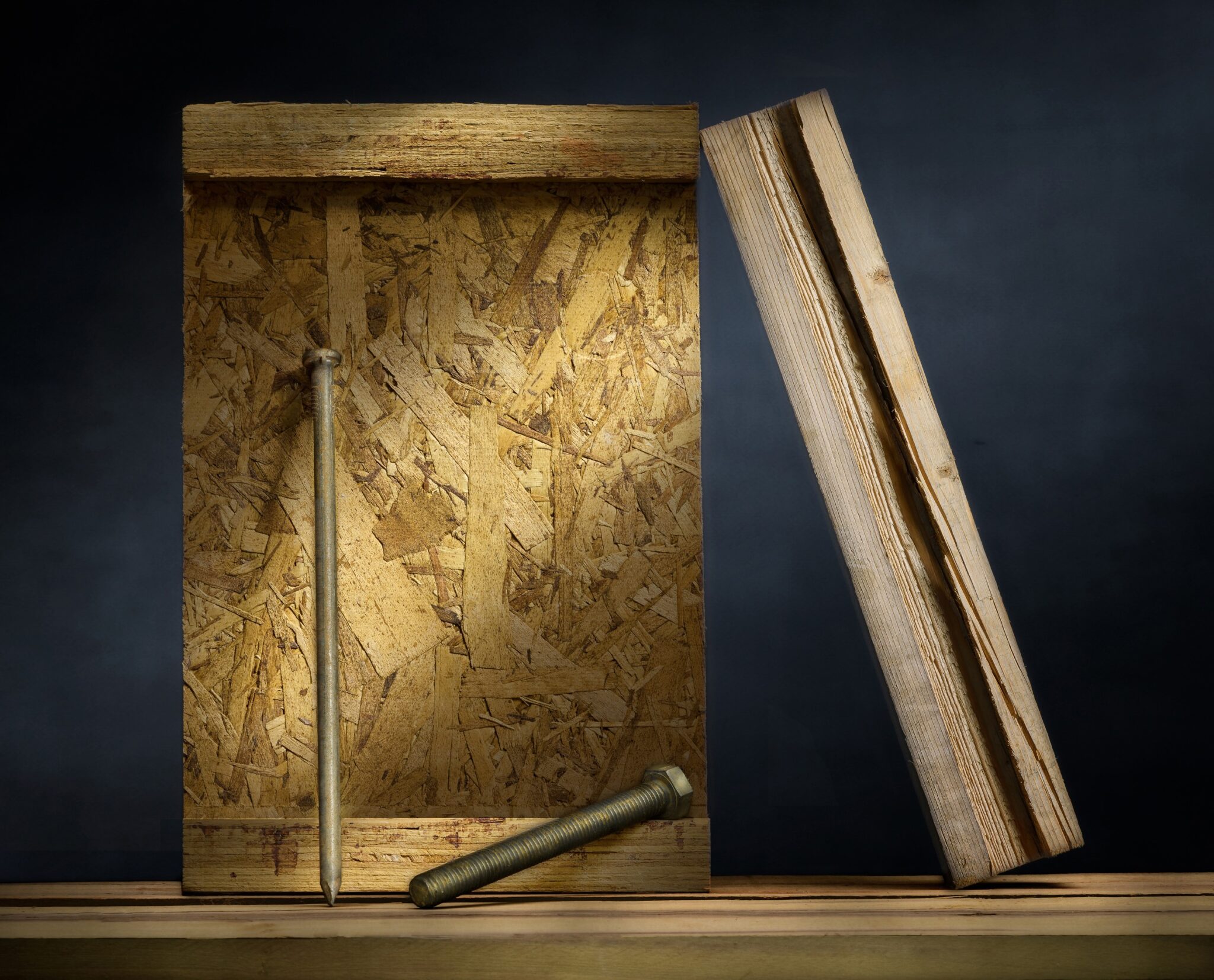
An engineered structural beam that quietly makes today’s open-concept homes possible. I was drawn to its invisibility, once construction is finished, it disappears behind the ceiling, yet it’s still doing all the work overhead.
Read the full story → Boundless Foundations: The J-Joist Shaping Open Concept Living
Narrative
Narrative is the most ambitious of my three still life modes — and the most demanding. In these images, I am not photographing objects so much as building scenes. The work starts almost like stage design: what happened in this room, and what would we find if we arrived moments later? What would the objects tell us? My WWII-era Zenith shortwave radio image is a good example — not just a photograph of a radio, but a specific night, a specific kind of listening, a specific kind of fear and hope that millions of people shared during a particular chapter of history. This work begins with research, long before a single prop is pulled out or a light is turned on.
Waiting for Word Across the Ocean
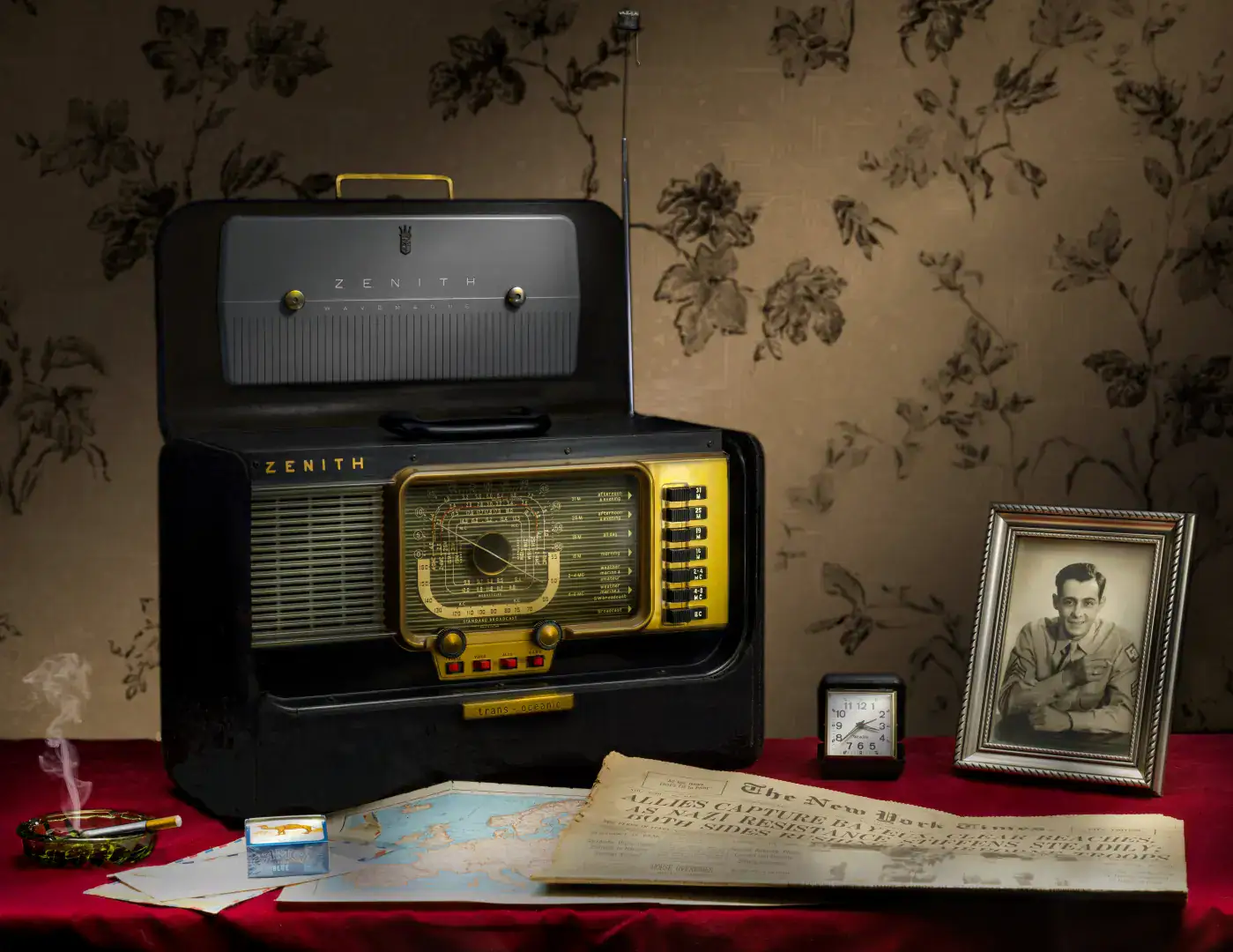
A father sits alone past midnight, leaning into the amber glow of a shortwave radio, waiting for word of a son serving overseas during World War II. The photograph on the table is of my father-in-law, Paul Bartoli, and the piece became a meditation on the quiet, clockless vigil kept by countless parents during the war.
Read the full story → Waiting for Word Across the Ocean
End of an Era: The Cathode Ray Tube
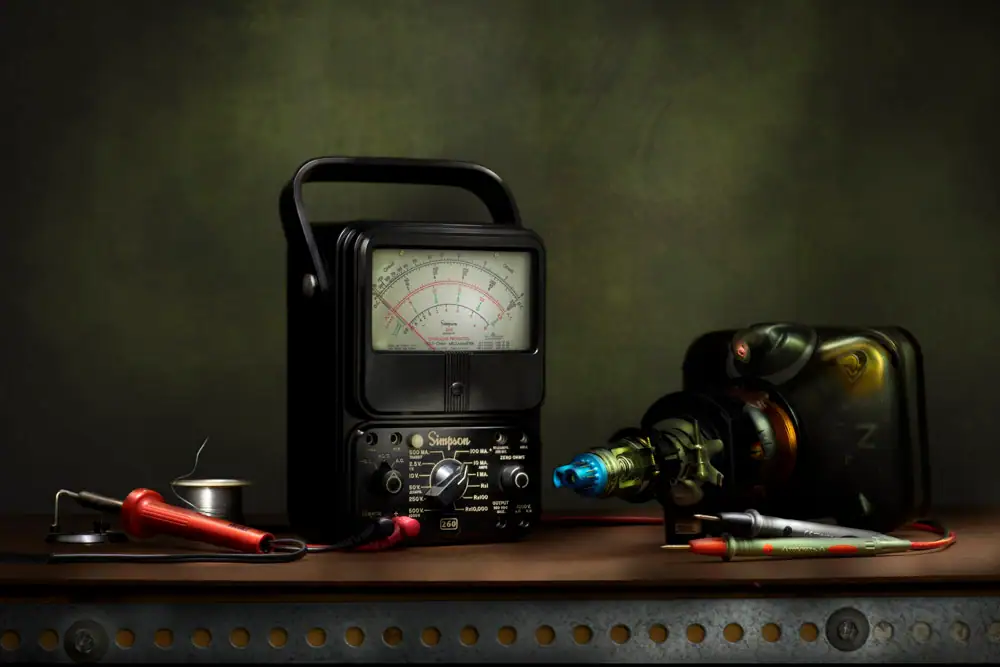
A reflection on my early days as an electronics technician, this still life features the cathode ray tube from a dismantled rear-projection TV, accompanied by vintage instruments that once filled my workbench. It’s both nostalgic and symbolic—the end of one era, illuminated by the skills that began my journey with light.
Read the full story → End of an Era: The Cathode Ray Tube
71 Seconds to Midnight
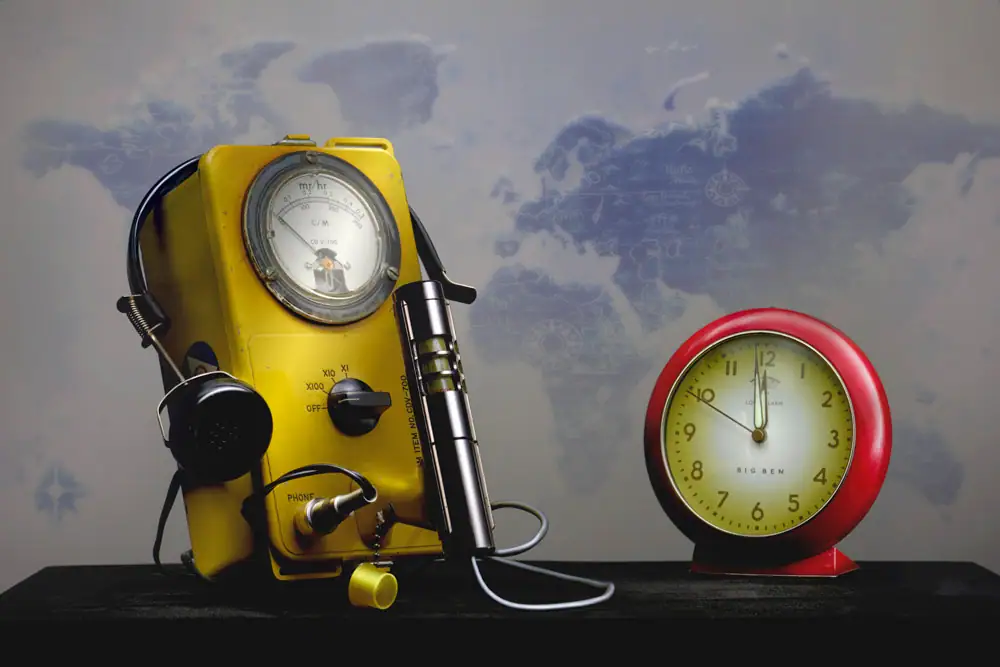
Some images are planned. Others arrive as metaphors you can’t ignore.
Read the full story → 71 Seconds to Midnight
Midnight Cuban Diary
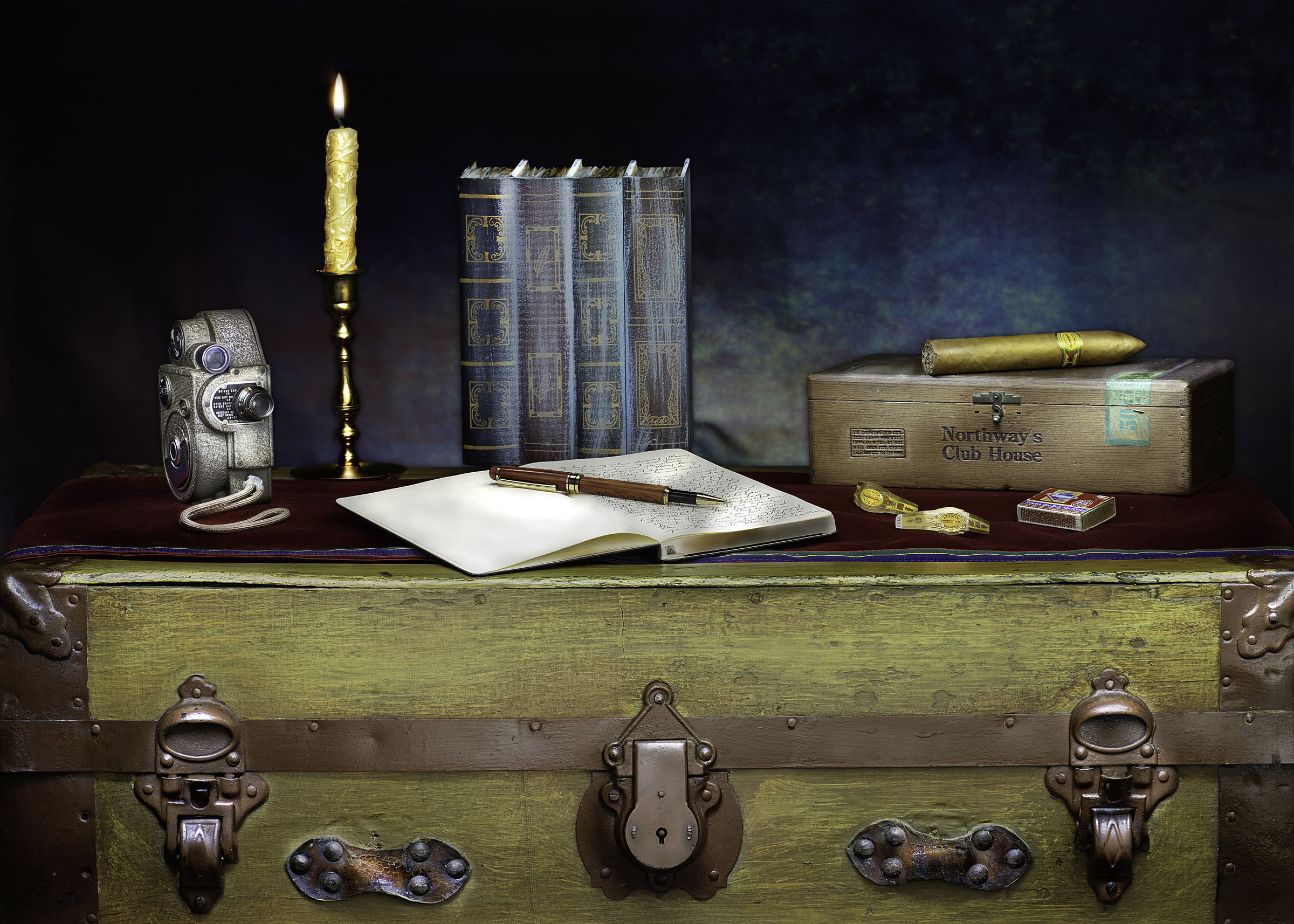
Some pieces come from memory. Some from heritage. Some from imagination. This one came from all three.
Read the full story → Midnight Cuban Diary