
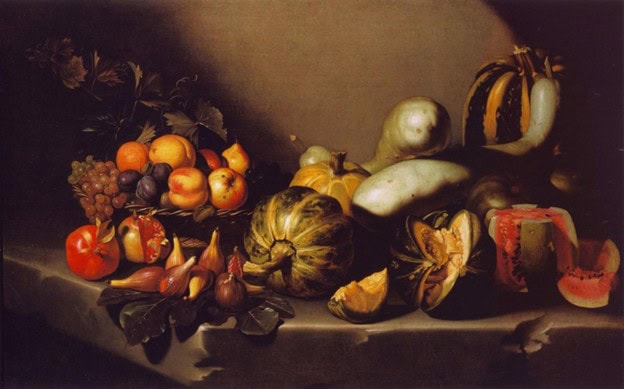
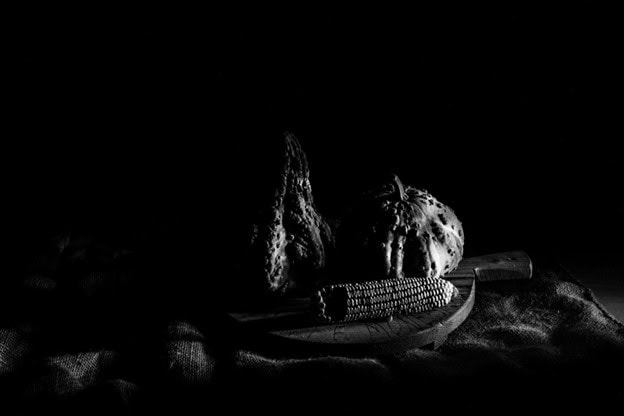
Still life light painting is a specialized form of photography in which the photographer manually illuminates a scene during a long exposure with handheld light sources. Rather than relying on a single flash or continuous studio lighting setup, the artist “paints” the subject with controlled light over time, shaping mood, texture, and visual emphasis with precision and intention.
The technique combines elements of photography, painting, sculpture, and theater. It is both highly technical and deeply expressive, allowing photographers to create images that feel cinematic, surreal, and timeless.
For photographers working in conceptual and narrative still life, light painting offers something unique: the ability to build an image gradually, layer by layer, with complete control over how light interacts with every object in the scene.
The Origins of Light Painting Photography
The roots of light painting trace back to the earliest experiments in photography and motion.
In 1889, French scientist and physiologist Étienne-Jules Marey used moving points of light to study human motion through long-exposure photography. Soon after, artists and photographers began experimenting with light as both subject and medium.
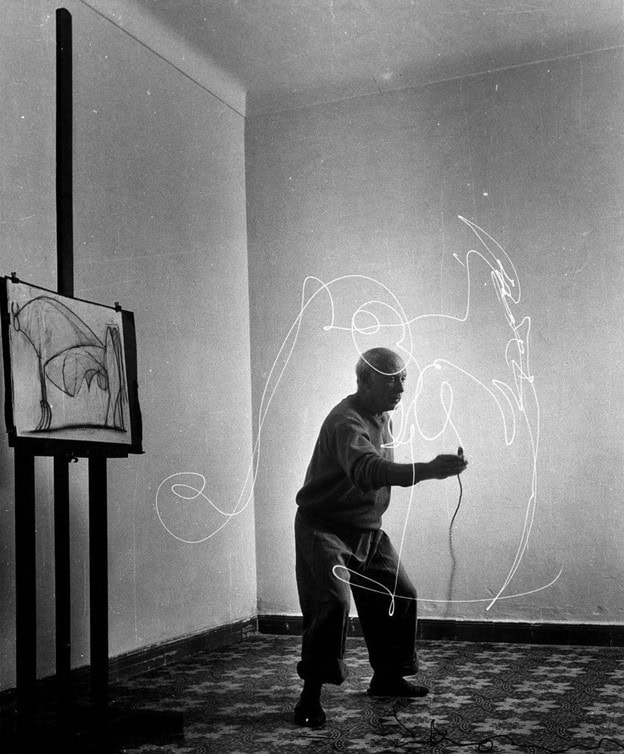
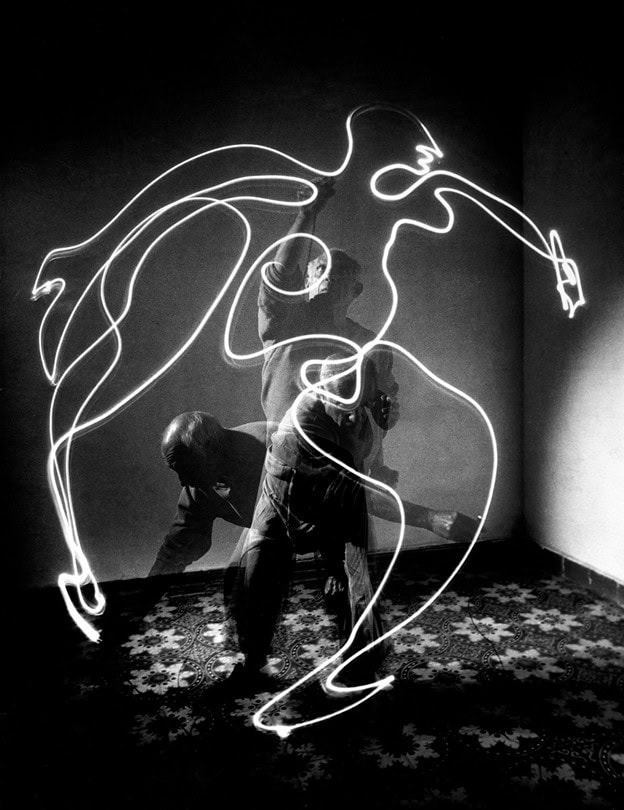
One of the most famous early examples came in 1949, when photographer Gjon Mili photographed Pablo Picasso drawing glowing figures in the air with a small electric light. These images introduced the public to the artistic possibilities of “drawing with light.”
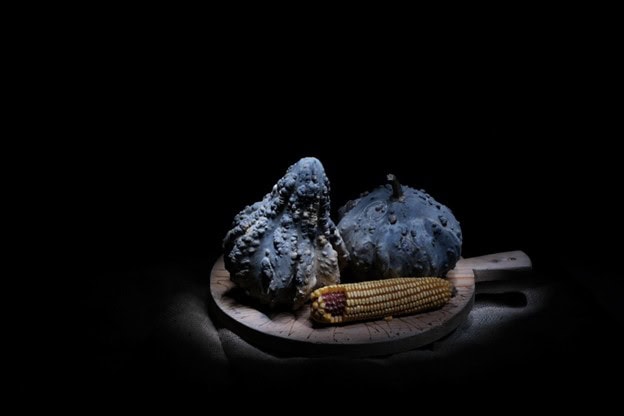
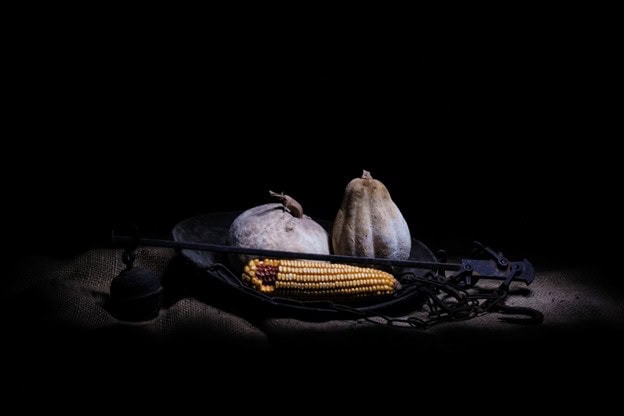
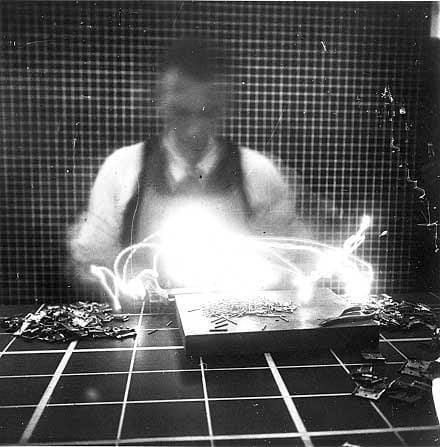
Over time, photographers expanded the technique to landscapes, architecture, portraiture, and eventually still life.
What Makes Still Life Light Painting Different?
Traditional still life photography usually depends on carefully arranged studio strobes, softboxes, reflectors, or natural window light. Still life light painting takes a different approach.
Instead of lighting the entire scene at once, the photographer selectively illuminates portions of the composition during a long exposure lasting from several seconds to several minutes.
This process allows extraordinary control over:
- Texture
- Shadow transitions
- Reflections
- Depth
- Atmosphere
- Visual storytelling
A photographer may use flashlights, fiber optic tools, LED wands, snoots, gels, or modified light sources to reveal different parts of the subject independently.
The final image is not a single instant in time. It is a constructed accumulation of light.
The Influence of Painting and Cinema
Many still-life light painters draw inspiration from classical painting traditions.
The dramatic contrast between light and darkness often recalls the chiaroscuro techniques used by painters such as:
- Caravaggio
- Johannes Vermeer
- Rembrandt
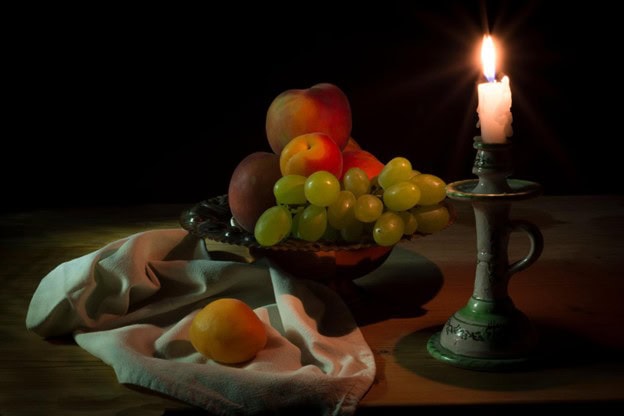
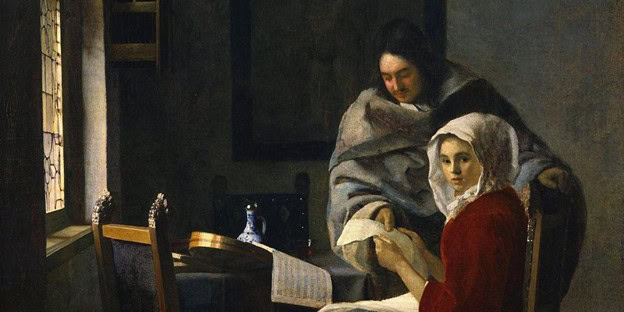
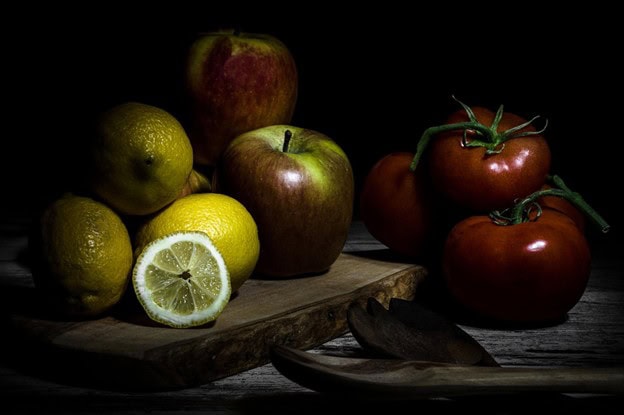
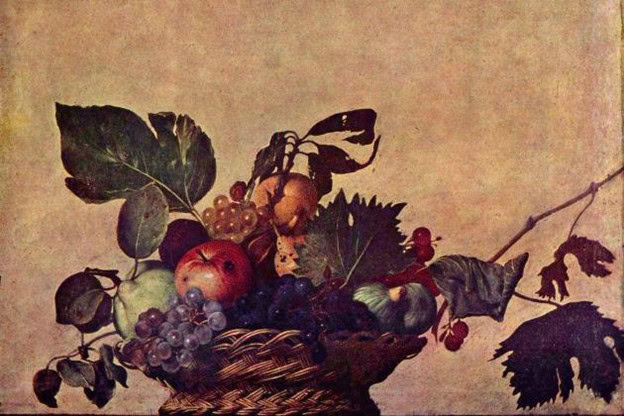
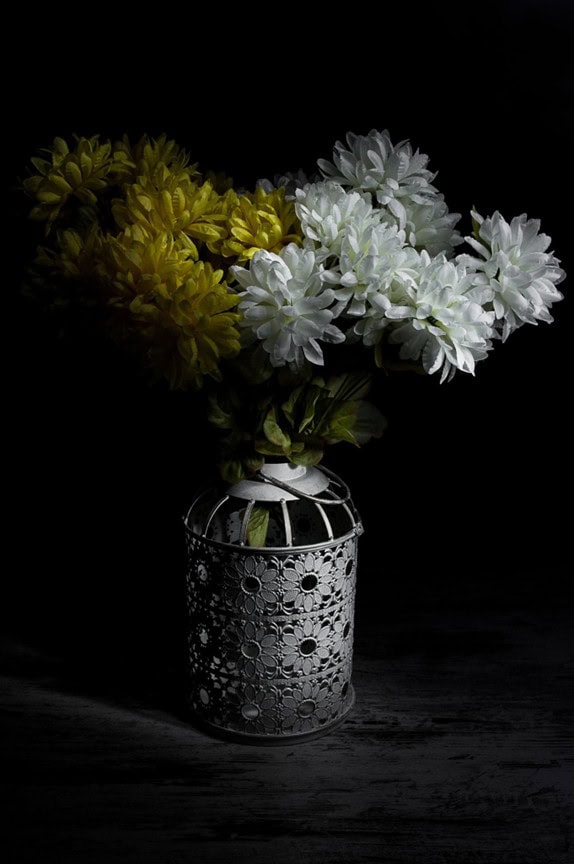
Modern still life light painting also borrows heavily from cinema, using selective illumination, mood, symbolism, and narrative tension.
Rather than simply documenting objects, the artist creates an emotional environment around them.
The Rise of Modern Light Painting Artists
In contemporary photography, light painting has evolved from novelty to a respected fine art discipline.
Photographers such as Harold Ross helped refine still life light painting into a sophisticated studio practice focused on precision and craftsmanship.
Ross became widely known for his ability to illuminate scenes with remarkable dimensionality and painterly depth. His workshops and educational materials introduced many photographers to the possibilities of controlled light painting for still life subjects.
Other contemporary artists expanded the genre into conceptual photography, narrative work, and surreal visual storytelling.
The Technical Process of Still Life Light Painting
A still life light painting image often begins long before the camera shutter opens.
Concept and Composition
The artist first develops a concept or narrative. Objects are selected not only for their appearance but also for their symbolic meaning and emotional resonance.
Common subjects include:
- Vintage cameras
- Scientific instruments
- Flowers and fruit
- Antique books
- Clocks and watches
- Obsolete technology
- Natural artifacts
The arrangement of objects becomes a visual language.
Long Exposure Photography
The camera is mounted on a tripod in a darkened environment. Exposure times may range from 10 seconds to several minutes.
During the exposure, the photographer moves through the scene, directing light onto selected areas while avoiding illuminating unwanted regions.
Selective Illumination
Different lighting tools create different effects:
- Soft light for gradual tonal transitions
- Narrow beams for detail emphasis
- Colored gels for atmosphere
- Directional light for sculptural form
Because the exposure accumulates over time, the artist can “build” the image gradually.
Post-Processing
Most still life light painters refine the image digitally afterward through contrast adjustments, color grading, dust cleanup, and tonal balancing.
However, the essence of the image is created in-camera through light itself.
Why Artists Use Still Life Light Painting
Still life light painting offers photographers a level of control and emotional expression difficult to achieve with conventional lighting methods.
The technique is especially powerful for themes involving:
- Memory
- Passage of time
- Nostalgia
- Isolation
- Mortality
- Human presence through objects
Because light is applied intentionally and slowly, the resulting images often feel contemplative and cinematic.
Objects become characters.
Shadows become part of the narrative.
Still Life Light Painting in Fine Art Photography Today
Today, still life light painting occupies a growing place within contemporary fine art photography.
Collectors and galleries are increasingly drawn to handcrafted photographic processes that demonstrate both technical mastery and artistic vision. In an era dominated by rapid digital imagery and artificial intelligence, light painting represents something fundamentally human: patience, intentionality, and physical interaction with light itself.
For many artists, the process becomes meditative — a dialogue between darkness, illumination, and imagination.
Final Thoughts
Still life light painting is more than a photographic technique. It is a method of visual storytelling that transforms ordinary objects into symbolic narratives through the careful orchestration of light.
By combining long-exposure photography with handcrafted illumination, artists create images that exist somewhere between photography and painting — records not simply of objects but of atmosphere, memory, and time itself.
For viewers, these photographs invite slow looking.
For artists, they offer nearly limitless creative possibilities.
If you would like to see my still life painting portfolio, select the following link: Still Life Light Paintings.
If you’d like to see still life light painting in person rather than on a screen, prints are on view at the Pittsboro Gallery of Arts. I exhibit there as a member of the Chatham Artists Guild, and you can follow more of the work and its stories on The Art of Light and Shadow blog.
Enjoy this kind of work?
I write The Art of Light and Shadow — stories about photography, light, and the creative process behind each image.