Behind the Light: Stories from the Still Life Studio
The vintage electronics objects I photograph aren’t random props. The Simpson multimeter, CRT television, and soldering iron in my still life photography are deeply nostalgic, representing a bygone era many of us can relate to. They remind me of how I first learned to understand the world through electronics, light, and hands-on work. I’m sure they evoke similar memories for you, connecting us through a shared nostalgia.
End of an Era
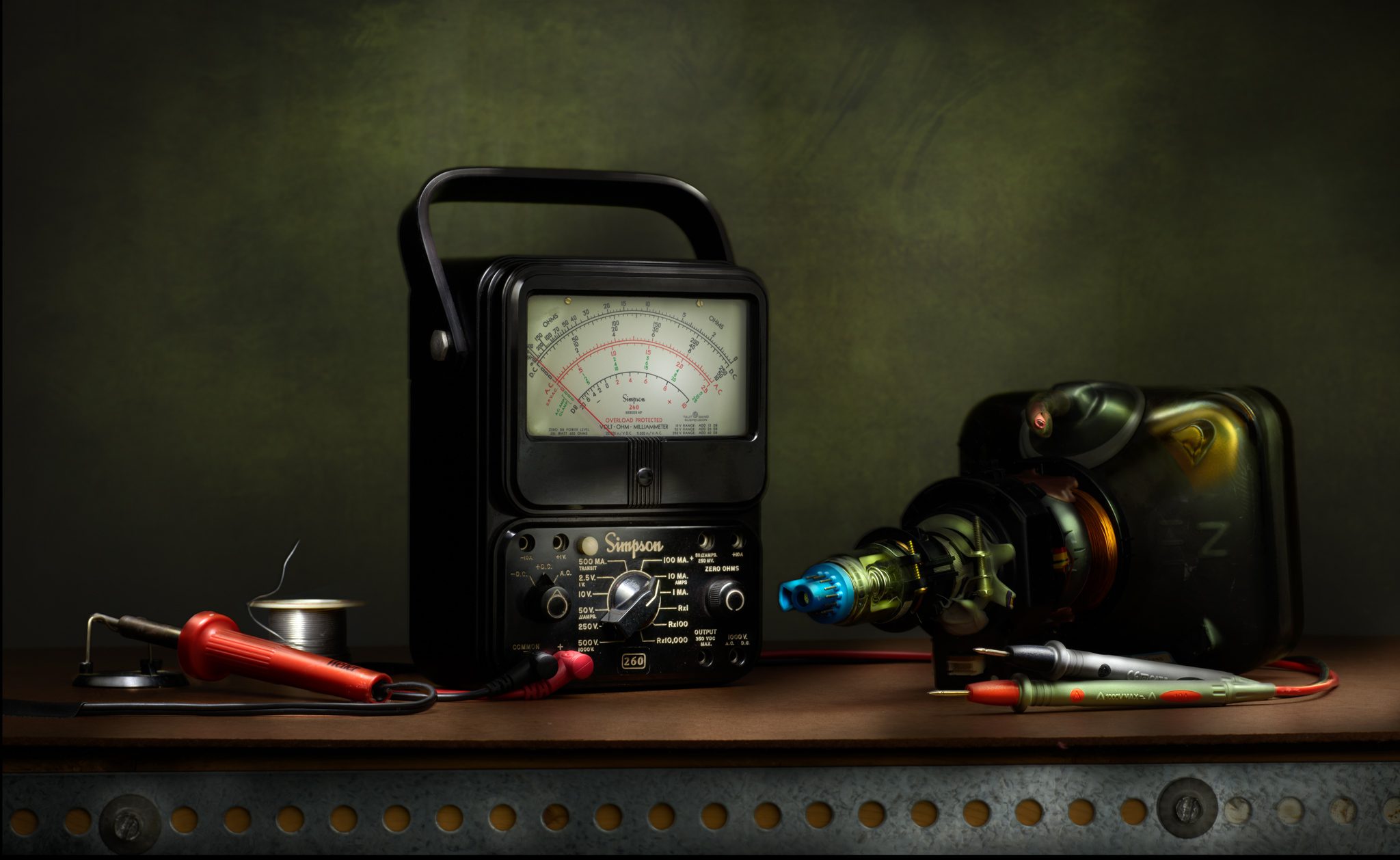
Let’s begin with End of an Era: The Flat Screen TV Cathode Ray Tube. This title symbolizes the fading of an era, the last moments of analog craftsmanship before the digital revolution. This composition features a cathode ray tube (CRT), a Simpson analog multimeter, and a soldering iron—three tools that shaped my early journey into electronics.
Cathode Ray Tube
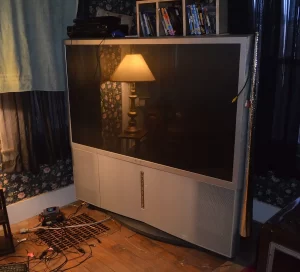
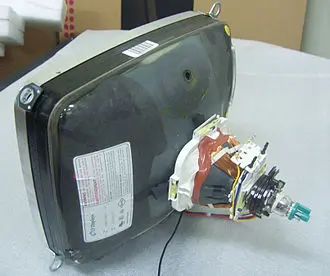
The CRT came from a large rear-projection TV in my bonus room. In the 1990s, when high-definition television was introduced, using old standard-definition televisions was no longer feasible because the cathode ray tube had to be made very large, making it too expensive to manufacture.
The industry devised a clever design that utilized three smaller CRTs, one for each color channel—red, green, and blue —pointing towards the back of the TV, where a mirror was located. The reflected picture would be displayed on the back of a screen that the viewer could see. It was a clever design and represented the last generation of CRTs. It was one of the last televisions based on the CRT before LCDs took over the market. When I finally upgraded, the unit was too heavy and awkward to move intact, so I carefully dismantled it and saved the CRTs. I knew it still had something to say.
Simpson Multimeter
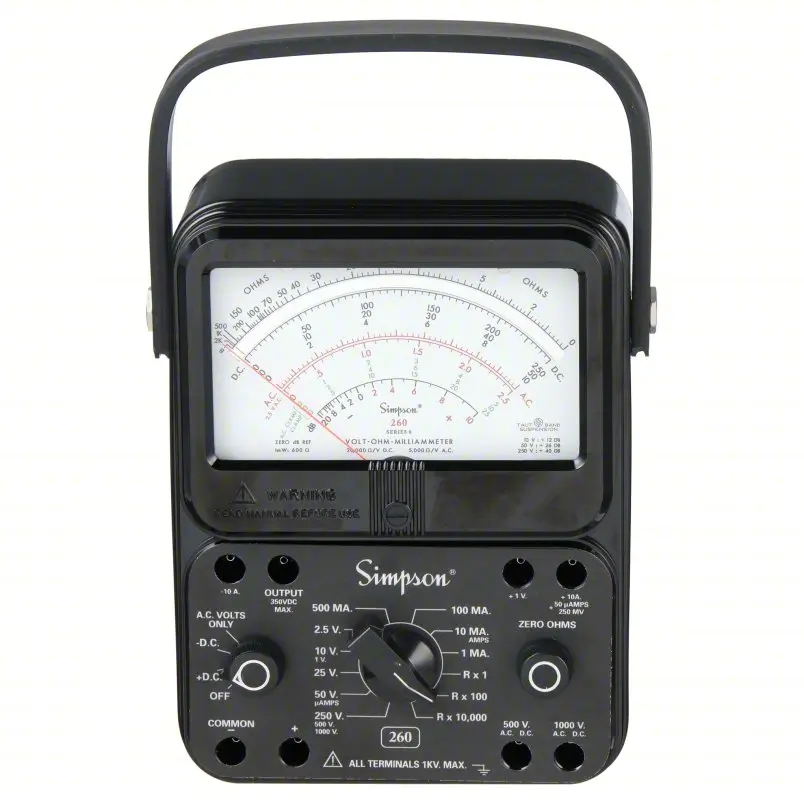
The Simpson meter takes me back to 1975, when I was in high school and taking an electronics class. It was the best meter—reliable, rugged, and precise. It was a must-have piece of electronic equipment for electronics technicians. Accurately measuring the resistance, voltage, and current in electronic circuits was crucial for debugging any failures that caused our radio or TV to malfunction. Today, those meters are mostly replaced by digital screens and automated diagnostics.
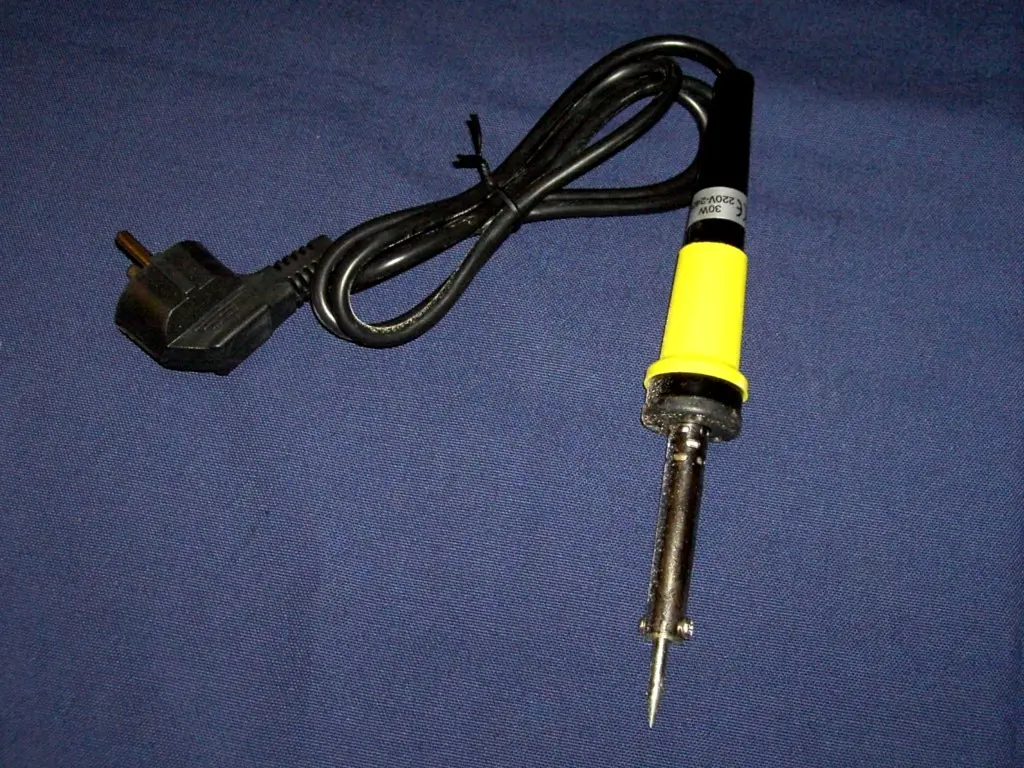
Soldering Iron
The soldering iron was one of my first tools. It was a fundamental piece of equipment. Every technician had to master the art of soldering and desoldering the leads of electronic components onto printed circuit boards. In those days, if something stopped working, you didn’t toss it—you diagnosed it. You removed the failed capacitor, resistor, or transistor and soldered in a replacement. It was about understanding, fixing, and learning through hands-on experience. That kind of repair culture we should all appreciate feels nearly extinct today, making us appreciate the craftsmanship and dedication it requires.
Light Painting Technique
This composition is my tribute to that era. I created it using my light painting technique. In this method, I use a long exposure and move a light source around the subject, thereby ‘painting’ the light onto the subject. This technique enables me to layer multiple exposures, sculpting these objects in a cinematic, even reverent manner.
Limited Edition Prints
Limited edition prints are available now at Fine Art Prints. The End of an Era: The Flat Screen TV Cathode Ray Tube is available as a series of 25 prints, framed in a 16×20 matte black Nielson 11 frame, acid-free white matte, and museum glass for pristine clarity and superior protection.